
For most football clubs, their most valuable asset sits unused for over 300 days per year.
Stadiums, traditionally designed around 90 minutes of football, are now at the centre of a much bigger commercial opportunity, one that many clubs are still failing to fully capitalise on.
In an era where margins are tightening and competition is global, clubs that continue to treat stadiums as matchday-only venues will fall behind.
The Shift: From Matchday Venue to Commercial Engine
Historically, stadium revenue was driven by:
- Ticket sales
- Food & beverage
- Matchday hospitality
But this model is limited.
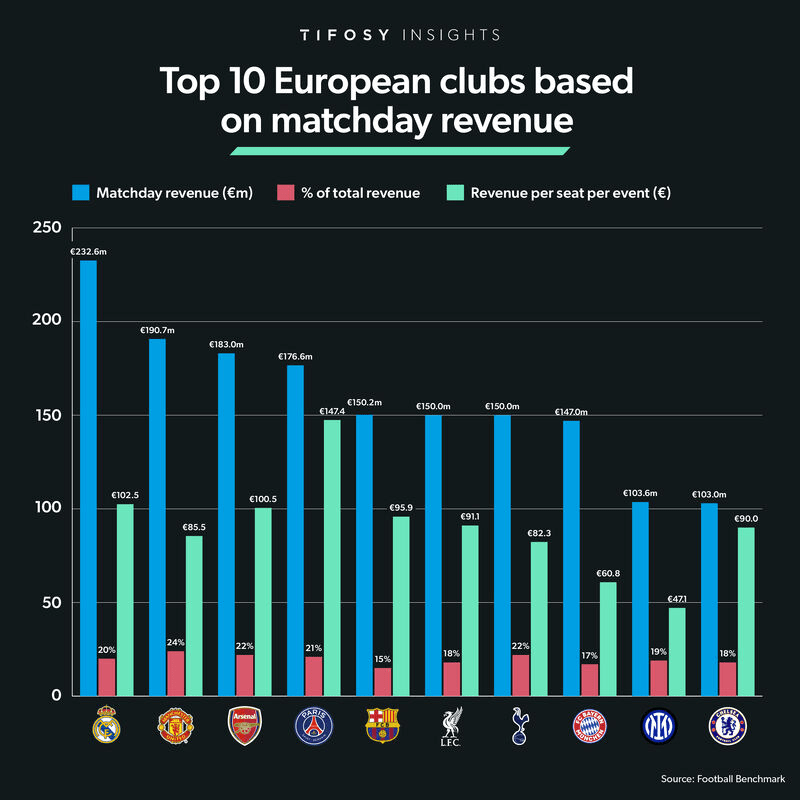
A general admission fan may generate €40–€80 per game. Compare that to premium hospitality, where per-head revenue can exceed €300+, and the opportunity becomes clear: Revenue growth is no longer about volume, it’s about monetisation strategy.
Leading clubs have already adapted.
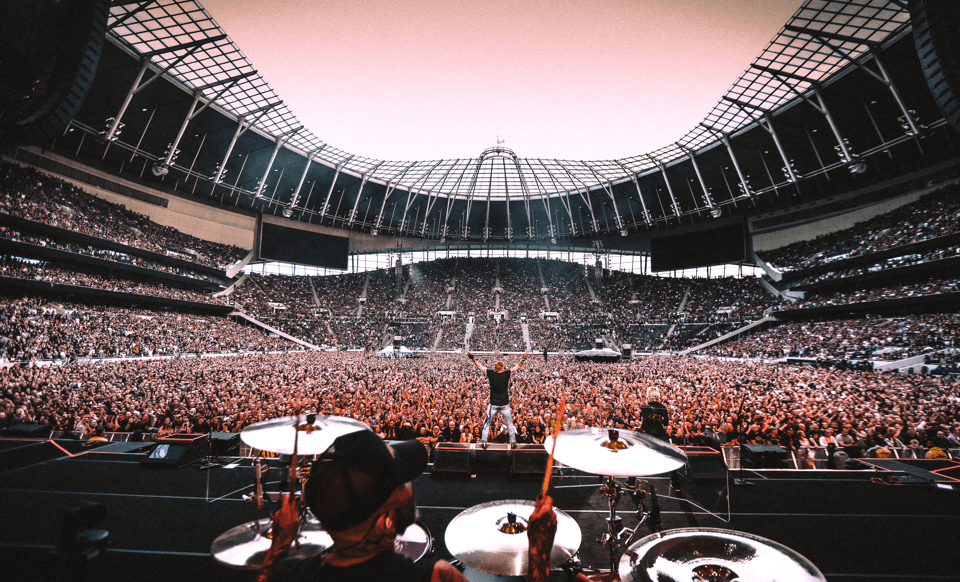
Tottenham Hotspur’s stadium is not just a football ground, it’s a multi-purpose venue hosting NFL games, concerts, and corporate events, generating revenue year-round.
The Real Opportunity: Maximising Asset Utilisation
The key question for clubs is no longer:
“How do we sell more tickets?”
It’s:
“How do we extract maximum value from every square metre of our stadium?”
1. Premium & Segmented Experiences
Modern fans are not one homogeneous group.
Clubs that segment their audience effectively can dramatically increase revenue per fan through:
- VIP hospitality
- Exclusive access experiences
- Tiered membership models
2. Non-Matchday Revenue Streams
A stadium should operate as a multi-event business, not a single-purpose venue.
Opportunities include:
- Concerts
- Conferences
- Private events
For leading clubs, these can account for a significant proportion of total stadium revenue.
3. Strategic Partnerships & Naming Rights
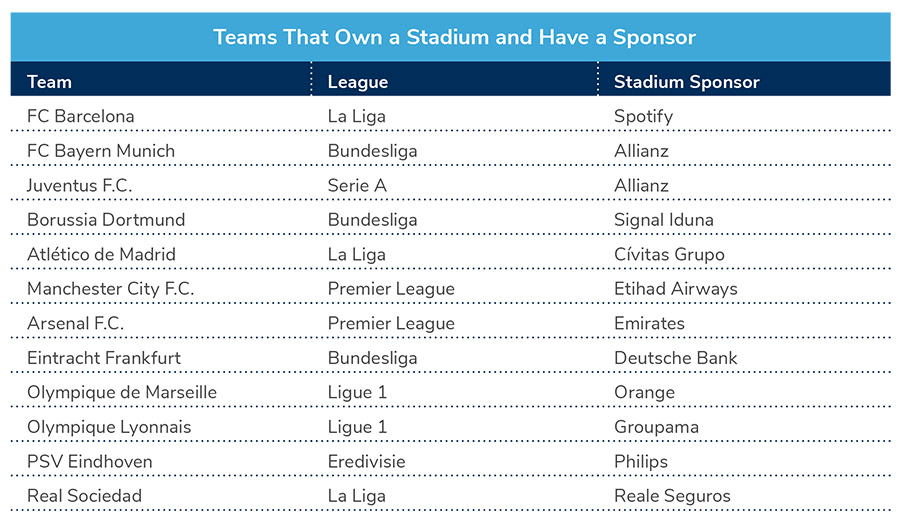
Long-term partnerships tied to stadium assets provide predictable, scalable revenue.
Arsenal FC’s Emirates Stadium is a prime example of how infrastructure can be leveraged as a global commercial platform.
4. Data & Personalisation
The next frontier is not just physical infrastructure, it’s digital integration.
Clubs that leverage:
- CRM systems
- Fan data
- Personalised offers
will unlock new commercial opportunities both inside and outside the stadium.
The Clubs That Win
The clubs that will lead the next era of football are not just those with the best players, but those with the most sophisticated commercial strategies.
Stadiums sit at the heart of this.
Those who treat them as static assets will stagnate.
Those who treat them as dynamic revenue platforms will scale.
In modern football, competitive advantage is increasingly built off the pitch & for many clubs, the biggest opportunity is already built, it just isn’t being fully used.
 Business of Football
Leave a comment