
Is football a neutral entertainment product – or a geopolitical actor with global responsibility?
Football is often referenced as the beautiful game and the world’s game – with that tag comes enormous responsibility. For governing bodies, like FIFA or UEFA, they must consider the thoughts, traditions and norms for essentially the entire globe. While football’s governing bodies have recently received scrutiny for their stance and policing on some issues, it must be acknowledged that they are in a difficult position ensuring all relevant parties feel represented, valued and heard.
In this article I will touch on various important topics that relate to Geopolitics in Football; 2026 World Cup & Political Tension, Football & the World’s on-going unsolved racism issue, ‘Sportswashing’ & State Ownership, LGBTQ+, Selective Stances: Football and Global Conflicts, The Super League as a Geopolitical Power Shift, Player Power & Individual Geopolitics.
2026 World Cup & Political Tension
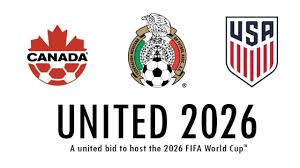
The next major test of Football’s geopolitical responsibility is already on the horizon. The 2026 FIFA World Cup, set to be hosted across the Canada, Mexico and the United States, will be the largest tournament in the competition’s history. Expanding to 48 teams and spanning an entire continent, it presents commercial ambition on an unprecedented scale.
What once was The Beautiful Game has turned into an international revenue generating machine, for all parties involved. Yet beyond ticket sales, broadcasting rights and sponsorship activations lies a more complex reality.
The most immediate illustration of football’s geopolitical responsibility lies in its flagship event. The 2026 FIFA World Cup, hosted across the United States, Canada and Mexico, will be the largest tournament in the competition’s history. On paper, it represents unity — three nations, one continent, one game. In reality, it will unfold against a backdrop of political polarisation, immigration debates, border tensions and heightened global instability. A World Cup does not operate in a vacuum; it amplifies the political climate of its host nations and projects it to billions.
This is not a new challenge. The 2022 FIFA World Cup was subject to intense scrutiny long before a ball was kicked. Human rights concerns, migrant worker welfare, and LGBTQ+ restrictions dominated international discourse, placing enormous pressure on FIFA and raising questions about the moral framework guiding host selection. Yet by the tournament’s conclusion — capped by a final widely regarded as one of the greatest in football history — much of the global conversation had shifted from ethics to excellence. Spectacle, it seemed, had the power to soften criticism.
Conversely, UEFA Euro 2020 was staged across established European democracies and carried no comparable pre-tournament legitimacy debate. However, the violence outside Wembley Stadium and the online racial abuse directed at Bukayo Saka, Marcus Rashford and Jadon Sancho following the final exposed a different dimension of geopolitical responsibility — one rooted not in infrastructure or labour policy, but in social cohesion and cultural accountability.
Together, these tournaments reveal an uncomfortable tension. Some hosts are scrutinised for structural human rights concerns; others are confronted with internal social failings once the spotlight intensifies. The standard, however, is rarely applied uniformly. As the 2026 World Cup approaches, the question is no longer whether geopolitics will intersect with football — but whether football has developed a consistent framework to navigate it.
These issues around major tournaments poses the question – Does Football Have a Consistent Moral Framework?
Football & the World’s on-going unsolved racism issue
If legitimacy concerns where football chooses to operate, and delivery concerns how effectively it stages its global spectacles, there remains another test that transcends geography entirely: football’s persistent struggle with racism.
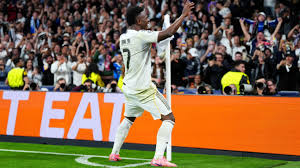
Unlike debates surrounding host nations or state politics, racism within football is not confined to one region, culture or political system. It has surfaced in domestic leagues, international tournaments and across digital platforms. The incidents following UEFA Euro 2020 — where Bukayo Saka, Marcus Rashford and Jadon Sancho were subjected to online racial abuse after England’s defeat — were not anomalies. They were reminders that football’s social challenges are deeply embedded within the societies it represents. We seen racism rear its head in football again last week with Vinícius Jr. subjected to alleged racism in Real Madrid’s Champions League game with Benfica.
Campaigns such as “No Room For Racism” in the Premier League and repeated anti-discrimination messaging from FIFA and UEFA demonstrate institutional intent. Yet recurrence raises a more difficult question: are these initiatives transformative, or largely symbolic?
Here, football’s geopolitical responsibility becomes less about international diplomacy and more about cultural leadership. If the game aspires to unite continents and transcend borders, it must confront whether it can effectively address injustice within its own ecosystem. Global spectacle can momentarily command attention; structural reform requires sustained courage.
Sportswashing’ & State Ownership
Beyond exposing football’s internal social contradictions through racism, the rise of state-backed ownership signals a deeper transformation — one that dissolves the traditional boundaries between sport, commerce and geopolitics.
In recent years, elite football clubs have increasingly become instruments of national strategy. The acquisition of historic institutions such as Manchester City F.C. and Newcastle United F.C. by state-linked investment entities has intensified debate around what is often termed “sportswashing” — the use of sport to enhance global reputation, project soft power, and recalibrate international perception.
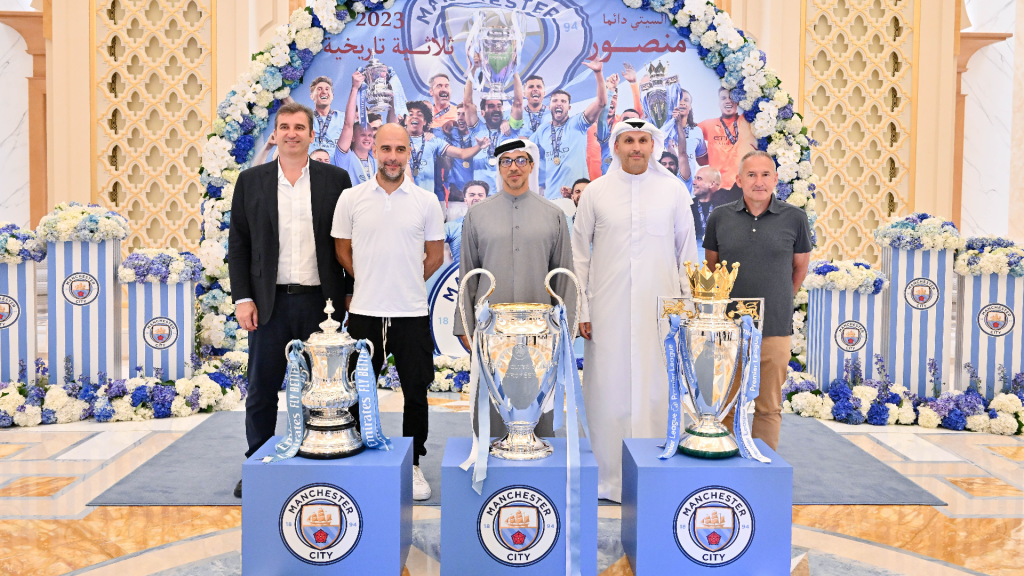
Proponents argue this is simply global capital operating within an open market. Critics suggest it represents something more deliberate: a strategic repositioning of national image through the emotional currency of football success.
Unlike tournament hosting, which occurs periodically, club ownership is permanent and embedded. Success on the pitch can gradually reshape narratives off it. Trophies, global fanbases and commercial partnerships can soften scrutiny and reframe how nations are perceived internationally.
The question, therefore, is not whether states should be allowed to invest in football — but whether football’s regulatory frameworks are equipped to assess the geopolitical implications of such ownership models. If the sport positions itself as value-driven and socially conscious, can it remain neutral when its most powerful institutions are intertwined with national political agendas?
LGBTQ+
While state ownership compels football to confront the geopolitical consequences of institutional control, debates over LGBTQ+ rights test how consistently the sport upholds its professed values. Statistically, according to Statista, 7-9% of adults worldwide self-identify as LGBTQ+. As of early 2026, there are ZERO openly gay male players in the top four men’s professional divisions in England. This clearly shows Footballs ongoing inclusivity issues with LGBTQ+ members.
Modern football presents itself as inclusive, diverse and globally unifying. Campaigns promoting equality are now central to the branding of major competitions and domestic leagues. Rainbow armbands, pre-match messaging and social media activism signal a clear public stance. Yet the tension arises when those values intersect with host nations or commercial partners whose legal or cultural frameworks differ significantly.
The controversy surrounding the 2022 FIFA World Cup reignited this debate. European federations sought to display solidarity through symbolic gestures, while FIFA emphasised respect for local laws and tournament regulations. The resulting friction highlighted an uncomfortable reality: football’s commitment to inclusivity is often tested most severely on its biggest stages.
This raises a broader governance question — is football a moral advocate, or a cultural guest? When operating across vastly different political systems, does it impose universal standards, or adapt to local norms? And perhaps more importantly, are its positions consistent, or reactive to media pressure and commercial risk?
Selective activism — where strong messaging appears in some contexts but softens in others — risks undermining credibility. In an era where fans, sponsors and players are increasingly values-driven, perceived inconsistency can carry reputational cost.
If football aspires to global leadership, it must determine whether inclusivity is a marketing pillar or a non-negotiable principle.
Selective Stances: Football and Global Conflicts
Beyond questions surrounding the consistency of its inclusivity messaging, football’s response to global conflicts confronts the sport with a far more difficult geopolitical responsibility. Unlike club ownership or tournament hosting, international crises demand that governing bodies take positions — or consciously refrain from doing so.
The situations in Ukraine and Russia, and in Israel and Palestine, illustrate this tension starkly. FIFA and UEFA acted decisively in banning Russian clubs and national teams following the invasion of Ukraine, while other conflicts, such as Israel and Palestine, have seen limited or selective engagement.
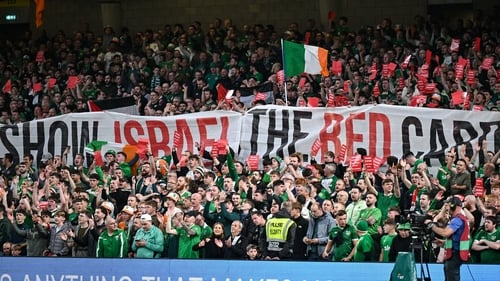
Recently Isreal have been drawn in their UEFA Nations League group along with The Republic of Ireland. This has lead to an outcry from the Irish people for the FAI not to fulfil this fixture in solidarity with Palestine. While Ireland as a nation can sympathise with Palestinians given history between Ireland and the UK, it appears key decision makers both in the Irish government and the FAI don’t share the same view. Recently, Drogheda United’s (Irish Premier Division Club) co-chairperson, Joanna Byrne, has been asked by the clubs board of directors to resign following her comments. Joanna stated she was “angry and dismayed” that the Republic of Ireland will fulfil fixtures against Isreal in the upcoming UEFA Nations League campaign. “It appears that their morals, and principled position, was only on paper – not in actions where it counts”
Earlier this week, PFA Ireland conducted a survey among League of Ireland players regarding this fixture. 2/3’s of professional players in Ireland are opposed to fulfilling the scheduled fixtures.
This unevenness raises fundamental questions about football’s moral and political framework: is the sport guided by principle, or by perception, media attention, and commercial risk? Are decisions consistent, or reactive? And when millions of fans look to football for leadership, what is the cost of remaining neutral?
By examining these cases, it becomes clear that football’s geopolitical responsibility extends beyond the pitch — it is an ongoing negotiation between ethics, politics, and global influence.
The Super League as a Geopolitical Power Shift
If football’s response to global conflicts exposes selective engagement, the proposed European Super League illustrates how power within the sport itself is shifting — and with it, the very balance of influence in global football. Unlike crises that demand moral stances, the Super League was a strategic assertion by elite clubs to redefine governance, control revenue, and challenge existing regulatory structures.
Where state ownership and sportswashing leverage football to project national soft power, the Super League represented clubs leveraging football to project institutional and commercial power. By attempting to circumvent traditional competition frameworks, these clubs signalled a new kind of geopolitical agency: one where private entities, rather than federations or national governments, could dictate the direction of the world’s game.
The backlash — from fans, governments, and governing bodies — underlined a crucial tension. Football is no longer just a game; it is a landscape in which commercial, political, and cultural influence collide. The Super League episode demonstrates that power in football is increasingly multi-layered, with decisions shaped not only by ethics or national interest but by the ambition of the most resourceful actors within the sport itself.
Player Power & Individual Geopolitics
If the Super League brought institutional power struggles into focus, the growth of player agency highlights another layer of football’s evolving geopolitical structure — the increasing authority of the individual. Today’s top players are more than athletes; they are global voices with reach far beyond the pitch. Social media, sponsorships, and personal branding allow them to engage on political, social, and ethical issues in ways that were unimaginable even a decade ago.
From taking public stances on global conflicts to advocating for human rights, players like Marcus Rashford, Megan Rapinoe, and others demonstrate that footballers can shape discourse independently of their clubs or governing bodies. Their platforms force football institutions to reckon with questions of consistency and principle: when a player speaks, do governing bodies respond, ignore, or suppress?
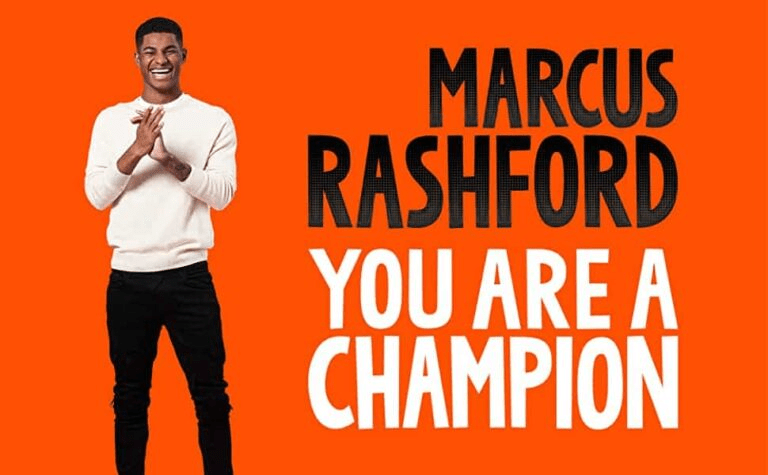
In this sense, players are a unique geopolitical actor — simultaneously representatives of their sport, citizens of their nations, and influencers on the global stage. Football’s responsibility, therefore, extends not only to where the game is played or who owns it, but to how it supports or constrains those who carry its most visible voice.
Football is more than a game; it is a global institution that sits at the intersection of culture, commerce, and politics. From the scrutiny of World Cup hosts to the ongoing struggle against racism, from state-backed club ownership and sportswashing to the challenges of inclusivity and selective activism, the sport constantly grapples with questions of principle, consistency, and influence. The Super League illustrated how clubs can wield institutional power, while today’s players demonstrate that individual voices can challenge, shape, and even redefine the geopolitical landscape of the game.
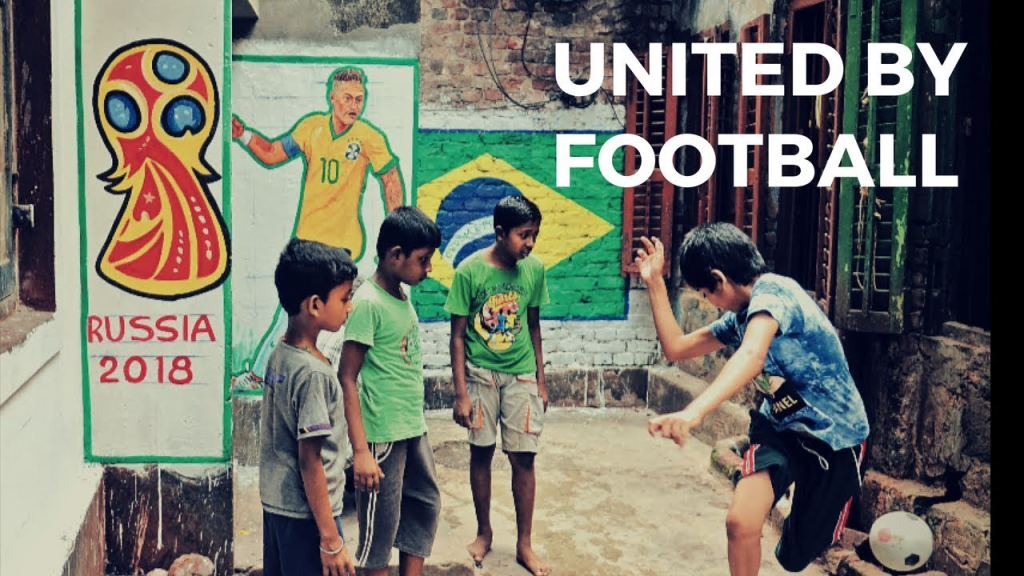
Together, these examples reveal a sport in transition — one where responsibility is diffuse, influence is multi-layered, and decisions carry global consequences. If football aspires to live up to its reputation as the world’s game, it must reconcile spectacle with principle, power with accountability, and governance with ethics. In an era where fans, sponsors, and societies demand more than entertainment, football’s true challenge is not simply to play the beautiful game — but to do so with integrity on every level.
 Business of Football
Leave a comment