The Real Money isn’t in the shirt – it’s behind it!
Have you ever considered your teams sponsor as anything more than it suiting the jersey? Or why your club has different sponsors on its Matchday jersey and training gear?
Some may not pay too much attention to it, but behind every logo is a complex business deal designed to do much more than just make the kit look good. Clubs like Liverpool or Real Madrid aren’t just selling a patch of fabric – they’re selling access; to millions of fans, to markets around the world, and even to data that drives other commercial deals.
In modern football, the headline number on a sponsorship deal is just the start. The real money isn’t in the shirt itself, it’s behind it.
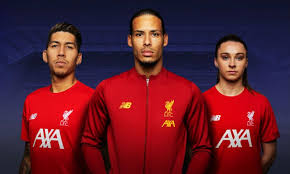
Football clubs nowadays have multiple sponsors including; front of shirt, sleeve, training kit/training ground, regional sponsors, stadium/naming rights, category specific sponsors. Take Liverpool for example; Standard Charted on their matchday jersey, Expedia as sleeve sponsor, Axa on their training kit & new training facility, and Betway as their official betting partner. Years ago, football clubs used to have one main sponsor – Carlsberg were the main sponsor of Liverpool for 23 years. Today, clubs offer a wide range of opportunities for brands to be associated with the club; this can be mutually beneficial as businesses can connect with fans in different mediums, but they also pay the price.
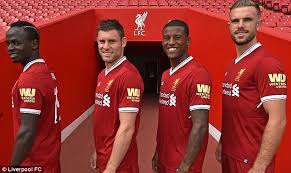
Carlsberg reportedly paid between £7-10 million per year (£15m with todays inflation) throughout their sponsorship with Liverpool (1992-2010). Currently, Liverpool’s main shirt sponsorship deal with Standard Charted is reported to be worth around £50m per year. Combine this with Expedia’s £15m per year sleeve sponsorship, Axa’s £20m annual training sponsorship, during their partnership with Garuda Airlines they received around £6m annually. Through diversifying opportunities to sponsor and be associated with the club, Liverpool have gone from generating £15m annually for one main sponsor to over £100 million. Do you think this is a fair price and a justifiable price to pay for the sponsor? Liverpool can be seen on live television all around the world weekly offering businesses the opportunity to advertise and associate themselves with one of the biggest clubs in the sporting world. Carlsberg will now forever be associated with Liverpool for a generation of fans.
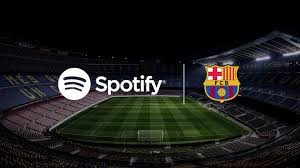
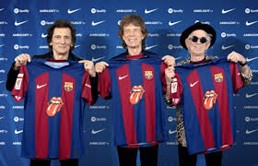
Although Liverpool have used the more modern method of partnering with multiple brands to diversify their sponsorship deals – some big clubs still use the ‘Old Fashion’ method of establishing one main sponsorship package. Take Barcelona and Spotify for example. Spotify has naming rights to their stadium, Spotify Camp Nou until 2034. Payments depend on stadium capacity; if the venue can reopen at 90% capacity, Spotify will pay €20m per season, amounting to €160m over eight years. If construction delays limit capacity, the payment will be temporary reduced to €10m per season. Spotify also boasts their logo on Matchday shirts and training gear. In the extended deal running to 2030, Spotify pays around €75 million per season for kit rights. Combined, Barcelona could earn up to €460m between 2026 – 2034 if all conditions are met. With this deal, Barcelona offer Spotify the unique opportunity of using various different sponsorship logos on their shirt to promote different artists/tours.
Clubs even have sponsorship deals some fans may not be aware of. PRIME have become the official hydrating partner of various clubs like Arsenal, Barcelona and Juventus. This deal is reported to be worth around £10m per season to Arsenal. Gulf Oil is the official global lubricant and fuel retail partner of Manchester United, focused on marketing and digital branding, rather than kit sponsorship. This deal is rumoured to be worth £3-4m per season, aimed at boosting Gulf’s presence in China & Asia, where Man United have established a massive fan base – claiming a huge following of around 730 million fans according to recent estimates.
In an era where football clubs operate as global brands, sponsorship is no longer simply a commercial transaction – it is a public endorsment. The partners a club chooses sit on the front of the shirt, across digital platforms, and within community programmes, becoming intrinsically linked to the club’s identity and values. When that alignment is misjudged, the consequences can be reputational as well as financial. For example, the heavy reliance on gambling sponsors across the Premier League has drawn critiscim particularly given football’s large youth audience. Clubs like Everton (Stake.com) and AFC Bournemouth (BJ88) have faced scrutiny over partnerships with betting companies, raising questions about the message sent to supporters who idolise players and don the jerseys they wear. Simalirly, Newcastle United’s association with Saudi-backed ownership had prompted debate about sportswashing and the ethical responsibilities of modern clubs, but that’s a conversation for another day. These examples illustrate that sponsorship decisions extend far beyond revenue generation; they shape public perception, influence supporter trust, and ultimately reflect what a club stands for on the global stage.
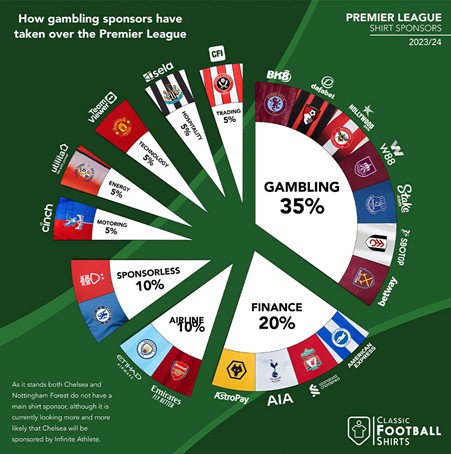
Football clubs today aren’t just teams playing on the pitch – they’re global platforms with millions of passionate fans, both in the stadium and online. Every sponsor, from the chest logo on the matchday shirt to the training kit, stadium naming rights, or regional partnerships, taps into that attention. By diversifying sponsorship opportunities, clubs give businesses multiple ways to connect with fans, build their brand, and reach markets that would otherwise be almost impossible to access.
In short, the real value of football sponsorship isn’t just visibility – it’s access, engagement and association with a club’s global story. For brands willing to get creative, football clubs offer an audience, a stage, and a connection that money alone can’t buy.
 Business of Football
Leave a comment